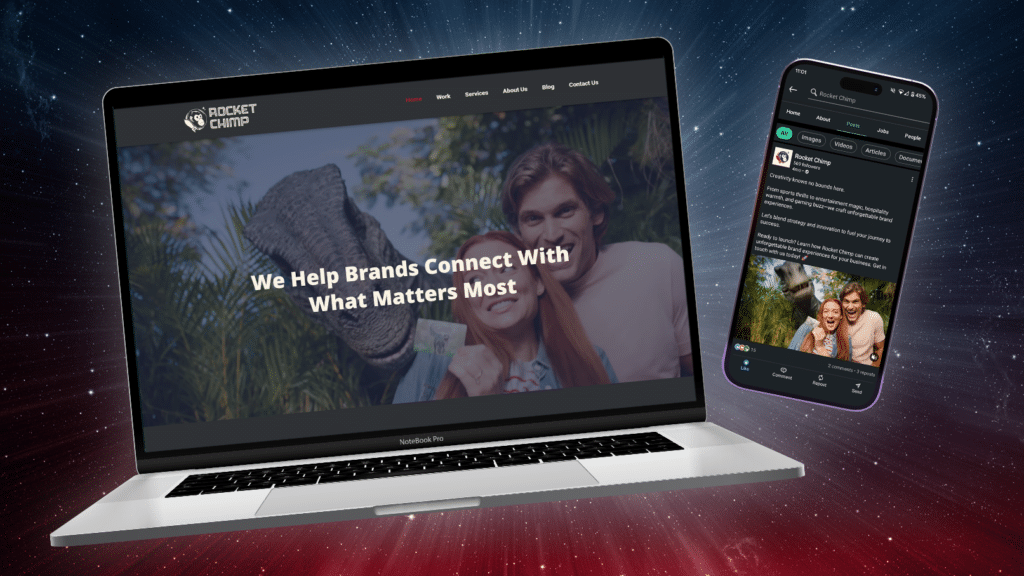

When building a website, choosing the right design elements is like deciding on the outfit for an important event. You want to make sure that it’s both stylish and comfortable, leaving a memorable impression. Your website’s design plays a significant role in how visitors perceive your business. It’s the first thing your audience sees and sets the tone for their entire experience. A well-designed site not only grabs attention but also guides visitors smoothly towards the information they need.
Beyond aesthetics, good design enhances user experience by making navigation intuitive and content easy to find and understand. Websites that are pleasing to look at yet simple to use often turn visitors into repeat users. As we explore what makes choosing design elements just right, think of it as crafting a welcoming online space that feels like home to your visitors.
Understanding Your Brand Identity
Before exploring fonts and colors, it’s key to understand your brand’s identity. This means having a clear vision of what your brand represents. Is it playful or serious? Luxurious or budget-friendly? Pinning down these elements is crucial because your website should mirror this identity. When potential customers land on your page, they should instantly get a feel for who you are and what you offer.
Think about design elements like this: Colors, fonts, and images are like the different toppings on a pizza. Each choice adds flavor and uniqueness, telling your brand story in subtle ways. For example, if you’re a bold and energetic brand, vibrant colors and modern fonts could be your go-to. On the other hand, a classic, traditional brand might lean towards muted colors and elegant serif fonts.
Here are some steps to align design with brand identity:
– Determine your brand’s personality and values.
– Choose colors that evoke the emotions you want associated with your brand.
– Select fonts that reflect your style and are consistent across all media.
– Use images that tell your brand’s story and engage your audience.
Making these decisions ensures that every part of your website aligns with the message you want to communicate. It’s like setting a consistent theme for your brand’s world, making it clear and recognizable to everyone who visits.
User Experience and Functionality
User experience, often referred to as UX, is all about how people feel when they interact with your website. In the simplest terms, you want your site to be easy to use, fast, and helpful. No one likes getting lost on a webpage, waiting ages for it to load, or being bombarded with confusing options. A user-friendly design makes it straightforward for visitors to find what they’re looking for without jumping through hoops.
Here are some key UX elements to focus on:
– Navigation: This is your roadmap. Keep it simple and straightforward so users can find their way around without frustration.
– Mobile Responsiveness: With so many people browsing on their phones, ensure your site looks good on small screens. It should be just as easy to use on a mobile device as it is on a desktop.
– Loading Times: Make sure your website loads quickly. Slow pages lead to impatient users who might leave before your site even appears.
Consider these tips to enhance user-friendliness:
– Use clear labels for your menu items.
– Ensure that buttons and links are easy to click.
– Test your website on different devices to check for responsiveness.
By focusing on these elements, your website will not only look great but also offer a smooth, enjoyable experience. This balance between design and functionality is what keeps visitors coming back, ensuring that your digital space works as a dedicated ally in achieving your business goals.
Visual Appeal and Consistency
Creating a visually appealing website means choosing design elements that are pleasing to the eye while conveying a message about your brand. However, beauty alone isn’t enough; it’s about maintaining consistency to build trust with your visitors. Consistent design elements make your site feel like a cohesive whole, rather than a patchwork of different styles.
To achieve this harmony, start by selecting a color scheme that aligns with your brand’s identity. Stick to a limited palette to avoid overwhelm. Use these colors uniformly across all pages to give users a sense of continuity. Typography is another area where consistency shines. Choose a few fonts that work well together and stick to them. This ensures that your headings, body text, and calls to action all complement each other.
Imagery also plays a significant role in visual appeal. Whether you’re using photos, illustrations, or graphics, make sure they align with your brand’s tone. For example, a contemporary tech company might use sleek, high-resolution images with a futuristic theme, whereas a family-oriented business could opt for warm, inviting visuals. Here are some key points for maintaining consistency:
– Limit your color palette to three or four complementary colors.
– Choose one or two fonts for all text elements.
– Select images that match the overall theme and message of your brand.
Consistency is the foundation upon which trust is built. When visitors find a site that looks and feels cohesive, they’re more likely to view your business as reliable and professional.
Integration with Business Goals
Aligning your website’s design with your business objectives can turn casual visitors into loyal customers. Design elements should serve a purpose, whether it’s increasing sales, generating leads, or boosting brand awareness. For instance, if your goal is to increase sales, your design should guide visitors smoothly to your product pages or a checkout button.
Consider using clear, prominent calls to action (CTAs) to direct users towards your goals. A well-placed “Contact Us” button on an Orlando business site, for example, can significantly boost inquiries if your aim is to increase engagement. Similarly, if building a subscriber list is your priority, offering easy newsletter signup options can be very effective.
To support different goals, here are some design strategies you might implement:
– Use CTAs strategically, placing them in locations where users are most likely to engage.
– Design landing pages specifically catered to distinct campaigns.
– Ensure key information and offerings are easily accessible to engage your audience quickly.
Every decision made in the site’s design process should tie back to what your business aims to achieve. This strategic alignment makes your website more than just a digital storefront; it becomes an active participant in reaching your business milestones.
Crafting Your Perfect Website in Orlando
As you conclude your journey in building your ideal website, remember that well-chosen design elements serve as the backbone. Every color, font, and image you select contributes to a seamless experience that resonates with your target audience. The choices you make shape how visitors perceive your business, impacting whether they choose to engage further or move on.
By maintaining a consistent visual style and integrating design elements that support business objectives, you set the stage for success. Your website becomes an inviting space that reflects your unique brand story and meets visitors’ needs. As you apply these principles, you’ll craft not just a website, but a platform that aligns with your dreams and aspirations in Orlando.
To ensure your website effectively communicates your brand and meets your business goals, consider partnering with an expert. If you’re in Orlando and want to create a visually appealing, user-friendly site that aligns with your objectives, work with an Orlando web design company. By collaborating with Rocket Chimp, you’ll receive professional guidance to design a site that stands out and delivers results.